




Affordable rubbish clearance SE1 real cost guide
Posted on 12/10/2026
If you are trying to work out the Affordable rubbish clearance SE1 real cost guide before booking anything, you are probably doing the sensible thing: checking what is fair, what is inflated, and what actually affects the final bill. In SE1, where flats, offices, shopfronts and busy streets all bring their own quirks, rubbish clearance pricing can feel oddly unclear at first. One minute you see a cheap headline price, the next minute there are add-ons for loading, access, weight, time, or even parking. Bit annoying, really.
This guide breaks the pricing down in plain English. You will learn how rubbish clearance in SE1 is usually priced, what changes the cost, how to avoid paying for the wrong service, and how to judge value without getting caught up in vague sales talk. We will also cover practical steps, local realities, and the kind of small details that make a big difference when the waste needs shifting quickly.
To keep things useful, we will focus on real decision-making: what you should expect, what is optional, what is worth paying for, and where cheap can end up costing more. If you are clearing a flat near the South Bank, a basement storage room, a shop in a tight street, or a builder's pile after a weekend job, this is for you.
Quick takeaway: the real cost of rubbish clearance in SE1 is usually shaped by volume, weight, access, labour, and disposal fees. The cheapest quote is not always the best value if it leaves you with delays or surprise extras.
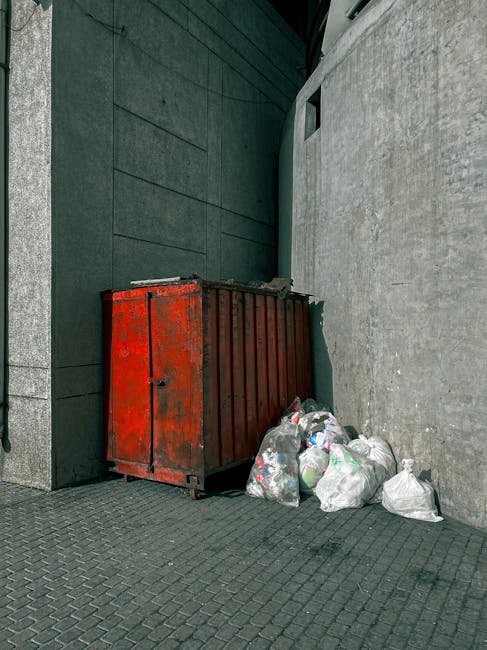
Why Affordable rubbish clearance SE1 real cost guide Matters
Rubbish clearance can look simple from the outside. Stuff goes out, rubbish goes away, job done. In reality, especially in SE1, the price can swing quite a bit depending on access, timing, load size, and how awkward the job is to complete. A small second-floor flat with no lift is a different job from a ground-floor office with a loading bay. Same postcode, very different effort.
That is why understanding the real cost matters. It helps you compare quotes properly, avoid paying for unnecessary services, and choose a provider that matches the job rather than just the headline number. In a busy London area, speed can matter too. If you have a landlord inspection, an end-of-tenancy deadline, or builders turning up next morning, waiting around for a cheaper but unreliable option is false economy.
There is also peace of mind. A transparent quote is easier to trust. You know what is being removed, what access issues may affect the price, and whether the service includes loading, disposal, and clean-up. You do not want to be standing by a stairwell at 7:30 in the evening wondering why the figure changed by the minute. Nobody needs that kind of drama.
For residents and businesses alike, the real-value question is simple: what are you actually paying for? Once you know that, the market starts making a lot more sense.
How Affordable rubbish clearance SE1 real cost guide Works
Most rubbish clearance services price work using a mix of volume, weight, labour, and access. That is the core formula. From there, the provider may add charges for items that need special handling, difficult lifting, narrow staircases, long carry distances, or out-of-hours collection. In SE1, these factors show up often because many properties are compact, mixed-use, or located on streets where parking and stopping are a bit of a puzzle.
The process usually starts with a description or photo assessment. You show what needs to go, and the company estimates how much space it takes in the vehicle. Some use van fractions, such as quarter-load, half-load, or full-load pricing. Others quote by item or by labour time. None of these is wrong in itself. What matters is whether the method is explained clearly and includes disposal, not just collection.
A good quote should tell you whether the waste includes furniture, bagged household rubbish, office clutter, builders' debris, garden material, or mixed loads. Different waste types can affect the price because disposal routes differ. For example, clean cardboard is usually easier to process than heavy mixed rubble. Waste that needs sorting, separating, or special treatment will often cost more. Fair enough.
If you are comparing providers, look for clarity rather than just a cheap entry rate. The best quotes tend to be the ones that leave the fewest unknowns. Ask yourself: does this price include loading from the property? Does it include disposal? What happens if the load is a little bigger than expected? Those are the questions that save money later.
If you want a broader sense of what a professional local service covers, you can explore the services overview and see how different clearance jobs are typically structured.
What usually affects the final price
- Volume of waste: the more space it takes up, the more you are likely to pay.
- Weight: dense waste costs more to move and dispose of.
- Access: stairs, no lift, restricted entry, and long carry distances can increase labour time.
- Parking and location: in central London, stopping close to the property can be difficult.
- Waste type: mixed waste, bulky items, and builders' materials are often priced differently.
- Urgency: same-day or short-notice work may be priced higher.
Key Benefits and Practical Advantages
Affordable rubbish clearance is not just about spending less. Done properly, it saves time, reduces stress, and stops clutter from hanging around for weeks. That matters whether you are clearing one room or a whole premises. In SE1, where time and space are both precious, being able to shift waste quickly is genuinely useful.
One obvious benefit is convenience. Instead of hiring a vehicle, finding parking, lifting heavy bags yourself, and sorting disposal rules, a clearance team handles the whole thing in one visit. That can be a huge relief if you are juggling work, moving house, or dealing with renovation noise and dust. The smell of old carpet and damp cardboard in a hallway is not something most people want to live with for long.
Another benefit is cost control. A well-structured service can actually save money because you only pay for what you need. If you choose the right load size and avoid unnecessary extras, the value can be very good. The trick is not to underbook so badly that you end up paying for a second visit. Been there, seen that, not ideal.
There is also a practical environmental angle. A reputable clearance service usually sorts items for reuse, recycling, and proper disposal wherever possible. That is not just good practice; it also helps reduce the chance of waste ending up mixed together when it could have been handled more responsibly. If sustainability matters to you, you may want to review the company's recycling and sustainability approach before you book.
What good value really looks like
- Clear pricing with no hidden extras
- Fast collection that fits your timetable
- Professional loading and tidy finish
- Waste handled responsibly
- Good communication from first enquiry to final pickup
Who This Is For and When It Makes Sense
This kind of clearance service is useful for a lot more people than you might think. Homeowners, tenants, landlords, letting agents, office managers, traders, builders, and anyone dealing with bulky items can all benefit from a local clearance option. In SE1 especially, where properties are often tightly packed and access can be fiddly, the service is often less about luxury and more about getting life back under control.
If you are moving out and have a pile of unwanted furniture, it makes sense. If your office has old desks, broken chairs, and a printer nobody wants to claim ownership of, it makes sense. If your renovation has left bags of rubble, timber offcuts, and packaging scattered everywhere, it makes sense. Truth be told, once the pile starts blocking doors or eating up floor space, the job stops being optional.
It also makes sense when DIY removal would take too long or become unsafe. Heavy lifting, broken glass, sharp edges, and awkward stairwells are not worth improvising around. A professional crew has the tools and routine to do the job faster and with less risk. Sometimes that's the whole point.
For business customers, timing can matter even more. A shop refit, office move, or post-event tidy-up may need to happen early morning or after hours. If you need a service with commercial experience, the local office clearance service in Waterloo is a useful example of how organised clearances are handled.
Step-by-Step Guidance
If you want the best price without compromising on service, a simple process works surprisingly well. No magic, just good preparation. Here is the practical way to go about it.
- List what needs removing. Be specific. "A few bits" can turn into a lot once the van arrives.
- Separate waste types. Keep bulky furniture, bagged waste, electronics, and rubble apart if you can.
- Take clear photos. Wide shots and close-ups help the provider judge volume and access.
- Explain access honestly. Mention stairs, lifts, permits, narrow hallways, and carry distances.
- Ask what is included. Confirm loading, disposal, labour, and any extra fees.
- Compare more than one quote. Not just the bottom line, but what each price actually covers.
- Choose a time that reduces disruption. Early collections can help if parking or neighbours are a concern.
Small bit of advice: if you are unsure whether something counts as bulky waste or mixed rubbish, mention it anyway. Better to clarify before the crew arrives than to negotiate in the corridor while everyone is already carrying a sofa down the stairs. That is not a fun scene.
If the job involves builders' debris or refurb waste, make sure the quote reflects the weight of material rather than just the visual size. Bricks, plaster, soil, and tiles can fill a van much faster on paper than they do in your head. Heavy waste often surprises people. Always.
Expert Tips for Better Results
There are a few simple habits that can reduce your cost and make the whole process smoother. They are not clever tricks. Just the sort of details that come from doing this often enough to notice what slows jobs down.
First, clear access before the team arrives. Move smaller items out of the way, unlock gates if needed, and make sure someone can meet the crew. Every extra minute spent finding keys or reshuffling bags can affect efficiency. In a busy SE1 street, that matters.
Second, be realistic about load size. People often underestimate how much space furniture and mixed rubbish takes. A wardrobe, mattress, and a few bags may sound small, but together they fill space fast. If in doubt, describe the pile as it really is, not as you hope it might be.
Third, ask how the company handles sorting. Good clearance services usually separate recyclable items and divert suitable materials away from general disposal. That approach is generally better value and better practice too.
Fourth, check whether the quote is all-in. A strong quote should explain whether disposal fees are part of the price. If not, ask. Simple as that. It saves awkward conversations later.
Fifth, avoid leaving waste until the last minute. If you need a collection before a move-out date, book earlier than you think you need to. London traffic, parking, and access can all introduce delays, and a bit of buffer time helps a lot.
And one more thing: if a quote sounds strangely cheap, pause for a second. It might be fine. It might also be missing the important bits. You know the feeling when a price seems too neat? Usually worth checking twice.

Common Mistakes to Avoid
Most expensive clearance jobs do not become expensive because of one dramatic mistake. They become expensive because of a few small assumptions stacking up. Easy to do, especially when you just want the mess gone.
- Booking on price alone: the cheapest figure is not always the best value if it excludes labour or disposal.
- Underestimating access problems: stairs, permits, or no parking can change the workload quickly.
- Mixing waste types without warning: heavy rubble and light household rubbish are often not priced the same way.
- Assuming same-day availability: urgent work can be possible, but it may cost more.
- Forgetting special items: fridges, mattresses, and electrical items may need specific handling.
- Not checking what happens after collection: responsible disposal should be part of the service, not an afterthought.
Another common slip is not measuring the job against the actual size of the property. A small flat can still produce a surprising amount of waste after a clear-out. Boxes, packaging, old bedding, broken shelving, and those "I'll deal with it later" items all add up. Quietly. Quickly.
Tools, Resources and Recommendations
You do not need specialist equipment to prepare for rubbish clearance, but a few practical tools help. A phone camera is probably the most useful one, because good photos help with accurate quoting. A tape measure can also be useful if you are shifting bulky furniture or checking whether something will fit down a stairwell. It sounds basic, but basic is often what works.
For larger clearances, it helps to label piles by room or waste type. Even simple notes like "kitchen boxes," "broken wardrobe," or "builder's offcuts" make the job easier to plan. If you are clearing an office, keep IT equipment, paper waste, and general clutter separate where possible. That makes sorting simpler later.
If you want to compare service types, the local waste clearance service and rubbish removal option pages are useful starting points for understanding what is typically included in different jobs.
For broader company information, policies, or trust-related details, you can also look through the about us page and the pricing and quotes information. That helps if you are the sort of person who likes to know who is doing the work and how the price is put together. Sensible, really.
Law, Compliance, Standards, or Best Practice
Waste clearance is not just a practical service; it sits inside a framework of responsibility. In the UK, waste should be handled carefully, transported properly, and disposed of through legitimate routes. If you are hiring a clearance provider, it is sensible to check that they operate in line with accepted waste-management practice and that they treat safety seriously.
For customers, the main thing is to use a provider that is transparent about how waste is removed and where it goes. You do not need to become a compliance expert, but you do want confidence that the job is being done properly. That matters for household waste, business rubbish, and building debris alike.
Safety is part of this too. Good manual handling, sensible loading, and secure transport reduce the risk of damage and injury. If you have delicate access, shared hallways, or heavy items, tell the company in advance. It is better to pause and plan than to rush and regret it. Also, if you are dealing with office electronics or sensitive materials, ask how those items are handled before collection.
Some practical standards are just common sense: clear communication, accurate descriptions, tidy removal, and respectful conduct in communal spaces. In SE1, where neighbours, porters, and building managers may all be affected by the clearance, good manners and good process go a long way. They really do.
If safety is a concern for your job, it can also help to review the provider's insurance and safety information before booking.
Options, Methods, or Comparison Table
There are a few common ways to handle rubbish in SE1. Some are cheap at first glance, some are more convenient, and some are simply better for awkward jobs. The right choice depends on how much waste you have, how quickly it needs to go, and how much lifting you want to do yourself.
| Method | Best for | Pros | Potential drawbacks |
|---|---|---|---|
| Professional rubbish clearance | Mixed waste, bulky items, fast turnaround | Convenient, labour included, one visit | Usually costs more than self-haul |
| Self-loading and tip run | Small amounts and flexible schedules | Can be cheaper if you already have transport | Time-consuming, parking, lifting, disposal effort |
| Skip hire | Longer projects with steady waste output | Good for ongoing work, can suit renovations | Space needed, permits may be required, loading yourself |
| Ad hoc item removal | One or two bulky objects | Simple for individual items | Can become poor value if the job grows |
For many SE1 jobs, professional clearance ends up being the best balance of cost and convenience because it removes the hard part: the lifting, the sorting, and the disposal run. If the work is more about a few heavy items than a full project, that option is often the cleanest fit. If you are dealing with garden waste, a dedicated service can make more sense, and the garden waste removal service is a good example of that more specific approach.
Case Study or Real-World Example
Here is a realistic example. A small SE1 flat is being cleared ahead of a move. The pile includes a broken wardrobe, a mattress, two office chairs, several black bags, and flat-packed packaging from a recent delivery. The resident first assumes it will fit in a small van space because, on the floor, it looks manageable. Then the wardrobe is measured, the mattress is added, and the number starts to grow up a little.
What made the difference in this job was not just price, but preparation. The customer sent clear photos, confirmed there was a narrow staircase, and explained that parking outside would be tight before lunchtime. That meant the provider could quote more accurately and turn up with the right time window. The work itself was straightforward once the size and access were understood. No surprises, no awkward back-and-forth.
The final value came from avoiding a second visit. Had the load been underestimated, the job would likely have needed more time or an extra collection. Instead, by being honest about what was there, the customer got a realistic price and a one-trip solution. That is usually the pattern with good-value clearances: clear information up front, tidy execution on the day.
Another example: a small business near a busy route needed old shelving, packaging, and broken display materials removed before opening the next morning. The key issue was timing more than waste volume. In that case, a prompt collection mattered more than saving a small amount on paper. If the shop cannot open cleanly, the bargain was never really a bargain.
Practical Checklist
Use this checklist before you book. It keeps things tidy and stops the most common pricing mistakes.
- Photograph everything you want removed
- Note whether the waste is household, office, builders', or garden material
- Measure bulky items if they look awkward or oversized
- Check stair access, lift access, and parking restrictions
- Ask whether loading and disposal are included
- Confirm if there are extra charges for heavy or special items
- Choose a time window that suits access and neighbours
- Make sure fragile or reusable items are separated first
- Ask about recycling or responsible disposal
- Keep keys, entry codes, and contact details ready
If you can tick most of those off, you are already ahead of many customers. Not glamorous, but it works.
Conclusion
The real cost of rubbish clearance in SE1 comes down to more than just a headline price. Volume, weight, access, labour, and disposal all matter, and in a dense part of London those details can shift the final figure more than people expect. That is why the smartest approach is to compare like for like, ask clear questions, and choose the option that gives you genuine value rather than a tempting but fuzzy offer.
Affordable rubbish clearance is really about balance: a fair price, a reliable collection, and a service that handles the awkward bits properly. If you prepare well, share accurate information, and pick the right type of clearance for the job, you can keep costs sensible without cutting corners. And yes, it is possible to do that without turning the whole thing into a stressful afternoon.
Get a free quote today and see how much you can save.
When the clutter is gone and the space feels open again, the difference is immediate. A room looks calmer, work moves easier, and you can breathe a bit more freely. That part never gets old.



 Tipper Van - Waste Collection and Rubbish Removal Prices in Waterloo, SE1
 Luton Van - Waste Collection and Rubbish Removal Prices in Waterloo, SE1